This article was originally published on LinkedIn.
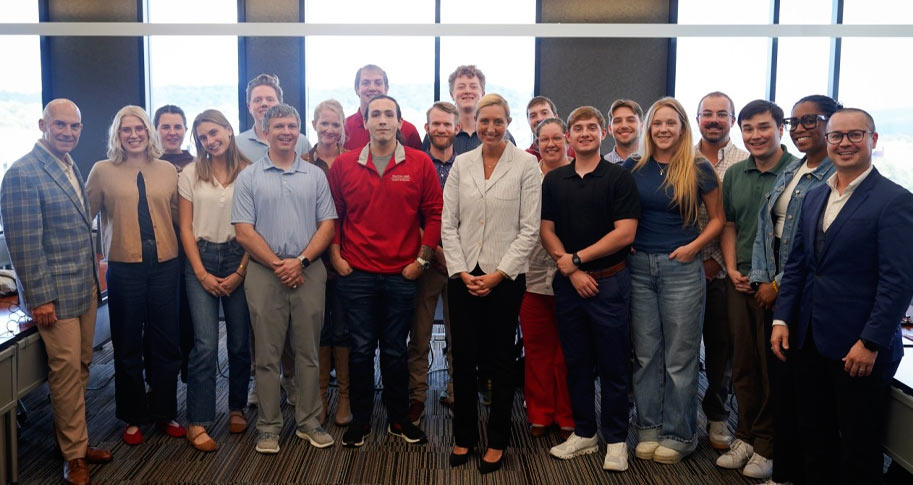
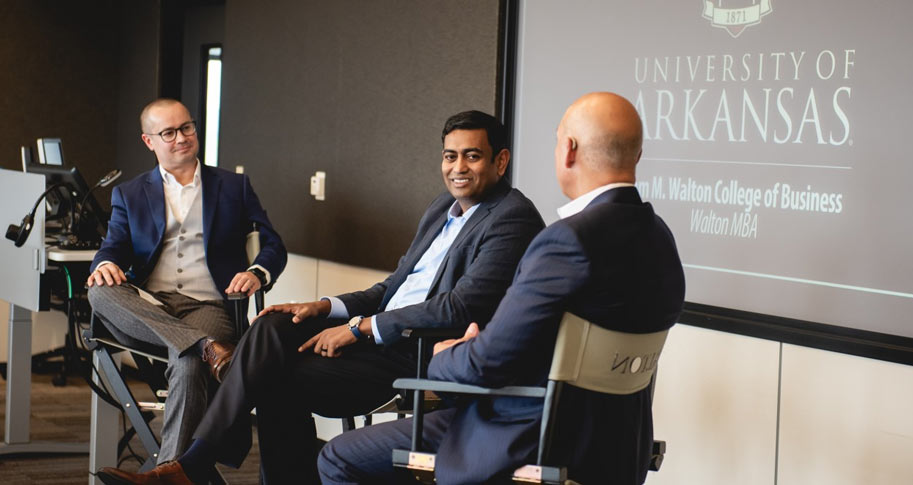
Week 6 of our Walton MBA - University of Arkansas leadership course focused on adapting how we lead to the person, the task, and the situation. Matt Waller and I explored a question that comes up every time a leader delegates an assignment, offers support, or decides how involved to be in someone’s work: What does this person need from me right now?
Answering that question requires us to understand our own habits. When something important needs to get done, what’s our natural instinct? Do we jump in and start explaining the steps? Set clear expectations? Check in on the person, asking how they’re feeling? Step back and give them room to work?
The Walton MBA students began with a self-reflection using items from the Leader Behavior Description Questionnaire (LBDQ). They examined two dimensions of their leadership behavior: initiating structure, which involves clarifying expectations and organizing the work, and consideration, which involves attending to people and their concerns.
People vary significantly in how much they naturally lean on initiating structure vs. consideration. The MBA students scored themselves on both dimensions, and these scores gave them their default leadership style.
Think about the people you work most closely with. What would they say is your default style? Would they say you lean heavy on initiating structure? Emphasize consideration? How useful is that approach for the work those people are doing?
We then put those tendencies into a specific situation. Students imagined being the manager of an employee who was preparing to lead a working session with eight colleagues from different departments. The group needed to agree on two improvements to how work moved between their teams. The employee would be responsible for planning the meeting, managing participation, handling disagreements, and helping the group reach a decision.
The manager had twenty minutes available to help the employee prepare. When the manager asked how things were going, the employee responded, “I’m good. I have everything under control.”
We asked the MBA students to write the first two sentences that their default leadership style would have them say in that moment. Those statements tell the employee something about how the manager sees them, how much freedom they have, and whether they can ask for help.
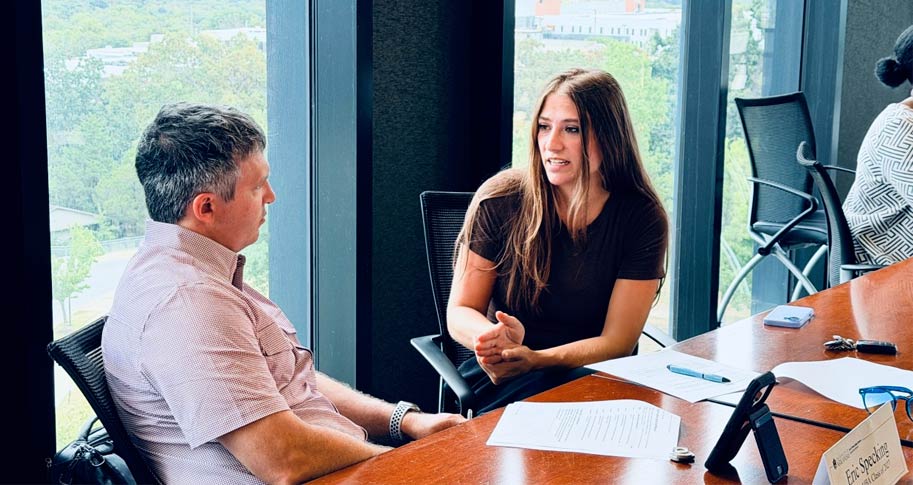
Next, students took the employee’s perspective. Drawing on their actual real-life experience, they rated how comfortable they would be with the employee’s task and how much direction, support, and autonomy they would want from their manager. They shared their ratings in small groups, then returned to the manager statements they had already written.
It was clear that their default responses as a manager did not align with what many of them needed as an employee.
The exercise gave students a way to examine how their instinctive approach might be experienced by someone else. It also highlighted the need to adapt their style even with the same employee working on a single assignment. An employee might feel comfortable planning the agenda but want help thinking through how to handle disagreement. Or they might want substantial freedom to make decisions, but appreciate a conversation about one concern that is bothering them.
This connects to the Platinum Rule: treat others the way they want to be treated, a modification to the Golden Rule: treat others the way you want to be treated. Asking how someone would like to be led in that moment can help us understand what useful involvement looks like for them.
We also need to understand their preparation and experience. “How's the meeting prep going?” might give us a surface-level response such as, “I'm good. I have everything under control.” A question such as “Can you walk me through how you’re preparing for the discussion?” helps us learn more about their plan and where support might be useful.
Ken Blanchard's Situational Leadership Theory offers a framework for thinking through these decisions. It asks leaders to set clear goals, diagnose each employee's competence and commitment for the goals and tasks, and adapt your style to align with what they need. Competence includes relevant knowledge, skill, and experience. Commitment includes confidence and motivation. As those develop, the amount of direction and support someone needs can change.
The emphasis on a specific task is helpful here because the same employee may need different styles of leadership depending on the task at hand. An experienced employee can encounter an unfamiliar responsibility. A new colleague can arrive with deep expertise in one part of the project. We need to understand what the person can do and how they’re approaching this particular assignment.
The MBA students then reflected on their own experiences, considering times someone’s leadership both helped and hindered their performance, depending on whether the style of leadership aligned with what they needed in that moment.
We also examined obstacles employees encounter in their work. Path-Goal Theory directs leaders’ attention to helping people move toward a goal and removing any roadblocks in their way. Understanding the situation helps us identify an action that could make goals easier to attain.
One of our readings for the week, “The Best Leaders Are Versatile Ones” by Robert Kaiser, encourages leaders to examine how they use their strengths. A familiar behavior can become so automatic that we use more of it than the situation calls for. Developing versatility involves expanding the behaviors we can use and learning to judge how much of each will help.
For me, that makes leadership development very practical. We can notice our habits, ask better questions, and pay attention to the effects of our choices. The next conversation gives us an opportunity to make an adjustment.
Think of someone you’re leading or working alongside this week. What would you need to understand about their experience, confidence, and task before deciding how to help? What could you ask in your next conversation to diagnose the situation and adapt your leadership?
This article is part of a series on the fall 2026 Walton MBA Leadership and Organizational Behavior course.