This article was originally published on LinkedIn.
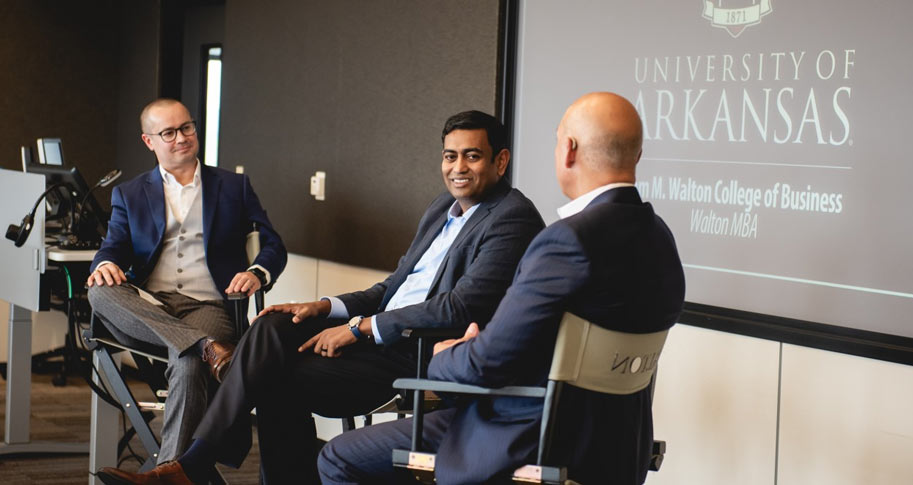
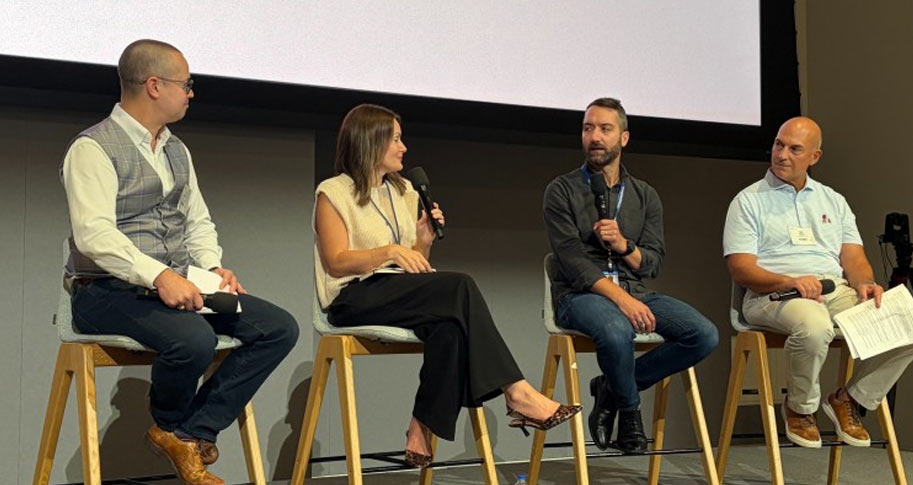
During our recent day at Walmart's new home office campus, Adam Stoverink, Ph.D., and I facilitated a fireside chat with Angela Palladino, Group Director of Insights, Analytics, and AI Transformation, and Archimedes Stuk, VP of Agent Building. The conversation, held in front of our Full-Time MBA and Executive MBA students, centered on how AI is changing the way Walmart works. Angela and Archimedes have each spent roughly a decade at the company, arriving through very different paths, Angela through Corporate Affairs with a background in insights, emerging technology and working with startups in New York City, and Archimedes through Jet.com and a systems engineering background from MIT. That difference in perspective made for an engaging and dynamic conversation.
There were five lessons that stood out to me immediately from the conversation when it comes to managing AI transformation in a company.
1. Treat AI adoption as workflow transformation, not a blanket tool
Angela's approach starts with breaking a workflow into pieces before deciding anything about AI. She encourages teams to look at each part of the work and ask honestly what can be augmented or assisted by AI, and where human judgment needs to stay in charge. The goal, she said, is to use AI to reduce repetitive and time-consuming work, freeing people to spend more time on work that requires judgment, creativity and human connection.
2. Let the stakes of the decision decide where AI belongs
Archimedes offered our students a simple filter for deciding where AI actually helps: look at the importance of the decision itself. Low-friction, low-stakes decisions are where AI can be trusted to lean in. Higher-stakes decisions, the ones that are harder to walk back if they go wrong, are where people need to stay firmly in the loop. Every problem does not need an AI solution either, he said, and part of the discipline is resisting the urge to apply the technology everywhere just because it is available.
3. Define the real problem before reaching for a solution
When asked how his systems engineering background shapes how he builds AI agents, Archimedes pushed back on a common instinct. Most people jump straight to solving the problem in front of them. What matters more, he said, is stepping back to ask what the actual objective is, how you would know if you solved it, and whether it is even the right problem to be solving in the first place. Just as much time, he told our students, should go into thinking through the guardrails around a solution as goes into the solution itself.
4. Some things have to stay human, no matter how good the technology gets
Angela was direct about where she draws a hard line. A large part of her team’s work revolves around building relationships with external partners, government officials, the press and community stakeholders, and she sees AI as supporting that work rather than replacing the human relationships at its center.
Where AI helps, she said, is in understanding what is happening in a community more quickly, so they can engage in ways that genuinely add value. The relationship itself, though, stays with the team to build.
5. Stay current on the technology through people, and let AI free you up for more time with your people
Both Angela and Archimedes were candid in sharing that no technology has moved this fast before, and that keeping up is less about mastering any one tool and more about staying plugged into other people working through the same problems. Angela follows AI voices across social platforms and leans heavily on internal Walmart channels where peers troubleshoot together in real time. Archimedes called that cross-pollination of ideas critical. He shared that he now spends an hour most mornings simply floating among his team asking what they need, rather than relying only on scheduled one-on-ones, time AI adoption has helped free up.
What stood out to me most was how little of this conversation was about the technology itself. It was about judgment: knowing which decisions to hand off, which relationships have to stay human, who to learn from, and how to use newly freed time to lead people better rather than simply working faster. That is the kind of AI literacy that we all need, not just knowing how to prompt a model, but knowing how to think clearly about where it belongs.