

This article was originally published on LinkedIn.
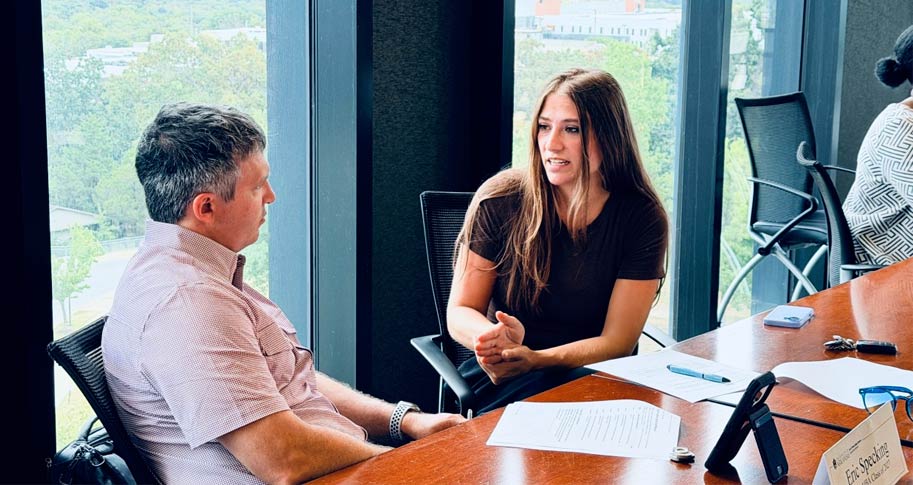
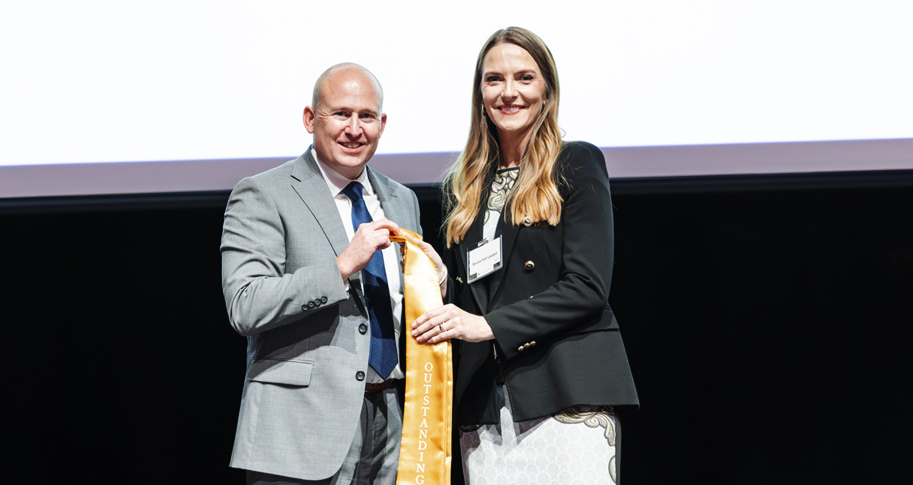
Bruna Fell Lautert was a student in the Leadership and Organizational Behavior course that Adam Stoverink and I co-taught at the Walton College this past fall, and I was genuinely impressed by her. Sitting in a classroom while simultaneously leading a major business transformation at Walmart takes a certain kind of leader, and Bruna is exactly that.
Her career has taken her through CPG, international markets, consulting, global sourcing and negotiation, and now one of the most interesting internal entrepreneurship ventures in retail. The through line across all of it, as she describes it, is being drawn to complex challenges where the path was not obvious and the real work was about creating clarity, aligning people, and turning strategy into measurable results.
That description fits what she is leading at Walmart almost perfectly.
Walmart recently introduced Upstream Facility Services, a new commercial business built on a capability Walmart developed and refined at massive scale over the past decade. With roughly 8,000 trained technicians covering HVAC, electrical, plumbing, refrigeration, and general maintenance across its own locations, Walmart is now extending that expertise to external clients. Bruna is leading sales and client services for that market, responsible for how Upstream goes to market, builds customer relationships, and drives long-term commercial growth beyond Walmart's own four walls.
She is quick to point out that this is not about selling a service. It is about building a business, grounded in real operational capability and solving a real problem for companies managing complex, distributed facility operations. Like most internal ventures inside large enterprises, the work involves balancing operational discipline with the uncertainty that comes from building something new.
The transformation required to get there has not been small. Shifting something from a cost center to a revenue-generating business means asking people to think differently about the work they do, and that only works when people know where you are going, why it matters, and what success looks like. Bruna kept the messaging simple, built the processes early, and stayed very close to the people side of the transition throughout. Her view is that change management is not separate from execution. The two have to be built together from the beginning.
Getting there also required significant cross-functional alignment across operations, finance, legal, compliance, technology, and other enterprise partners. The challenge was helping every team understand the bigger picture, the trade-offs involved, and how their piece of the work contributed to the overall outcome. When that alignment clicks, she said, you can feel it move through the organization.
Something she said about leadership stayed with me. Early in her career, she believed leadership meant having all the answers. What she understands now is that it is really about good judgment, clarity, and creating the conditions for others to find the best solutions. She also talked about not rushing the reflective part of leadership, noting that some of the most important growth comes from the hardest moments, not the easiest ones.
That kind of self-awareness combined with the commercial and operational range she brings is rare. What Bruna and her team are building with Upstream is worth paying attention to.