This article was originally published on LinkedIn.
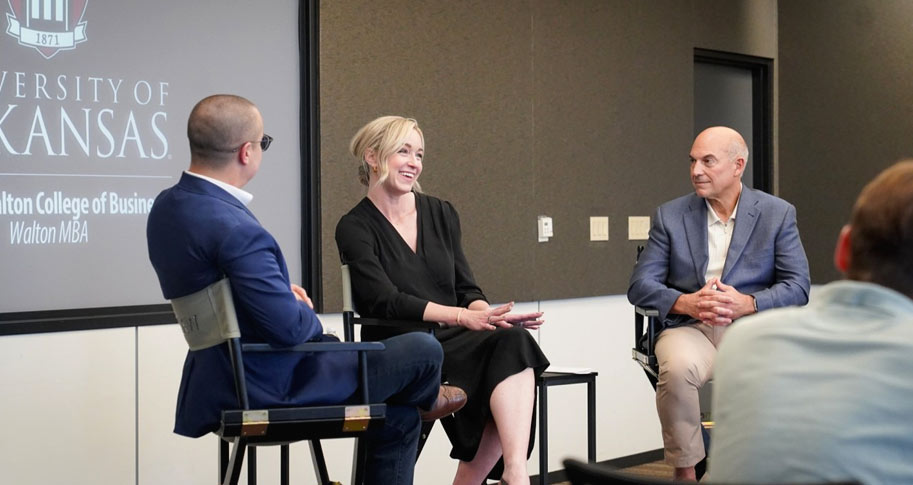
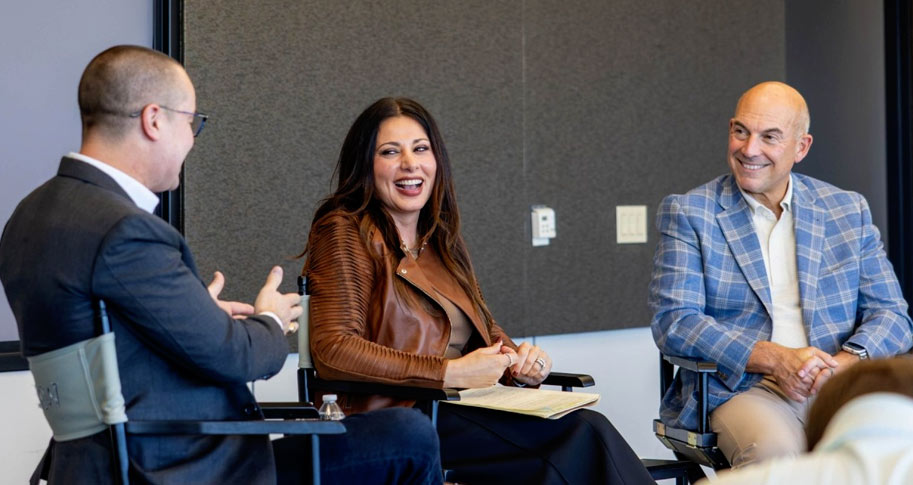
Maren Waggoner, Ph.D., Senior Vice President and Chief People Officer for Digital and Associate Experience at Walmart, recently joined the full-time MBA Leadership and Organizational Behavior class that Adam Stoverink, Ph.D., and I co-teach to discuss ethical leadership, building and protecting culture, and the habits that help leaders earn their team's trust.
Maren studied psychology in Germany, earned her master's degree in industrial and organizational psychology at the University of West Florida, and completed her Ph.D. in organizational behavior at Claremont Graduate University. She expected to become a consultant, but an HR internship at DIRECTV showed her what it was like to work inside a company. After roles at AT&T and Ticketmaster, she joined Walmart in 2017, and her team now supports roughly 30,000 associates across Walmart's technology and global organizations. These are the lessons that stood out to me.
1. Leadership is not about you, it is about your team
Maren keeps a 1977 leadership memo from Sam Walton with her. Its message is simple: the two most important words a leader can say are "thank you," and the least important word is "I." As a leader, you get to carry the reins for a while, she said, and your job is to support your team and leave the company and your team better off after leaving.
She learned what that looks like from her first manager at DIRECTV. When Maren made a serious mistake early on, her manager's first response was grace and support. She told Maren that she was new, that she had not been trained on that step, and that she would take the heat from the leaders above them. Maren felt that support immediately and never forgot it. It shapes how she leads today: when someone on your team makes a mistake, lead with grace and support, and own your part in it.
2. Protect the culture by hiring for it
In Walmart's early years, Helen Walton was a key keeper of the company's culture. Among many other contributions, she encouraged Sam to share the company's success with associates through profit sharing and stock ownership. I asked Maren who plays that role at Walmart today. Her answer was that everyone does now. Culture is the sum of the actions people take every day, and every associate, especially leaders, has a responsibility to carry it forward.
That starts with who you bring in. When interview candidates ask Maren what it takes to be successful at Walmart, she describes the company's core values and servant leadership, then tells them what a store visit looks like. There is no executive parking and no special treatment when you arrive. When you visit a store, you immediately ask the store manager and associates how you can help and you help on your own when no one is watching, that could include picking up trash and even bringing in carts to help store associates and create a more positive experience for the customer. If that does not sound good to you, she tells them, Walmart is not the right fit.
3. In the gray zone, consider all sides and do not decide alone
Adam asked Maren about right versus right dilemmas. Most leaders know what to do when the choice is between right and wrong. A right versus right dilemma is harder, because two legitimate values pull in different directions, such as applying a policy consistently and treating an individual fairly when the circumstances are unusual. Maren said many of these decisions fall into a gray zone rather than black and white, where the policy, the facts, and a person’s intentions do not all point to the same answer.
When a decision falls into that gray zone, Maren said, the first step is to consider all sides. That means gathering context, asking questions until you understand what was happening underneath, and resisting snap judgments. She has seen cases where a clear policy and a first look at the facts pointed one way, and the full picture pointed another.
Just as important, she does not make those decisions alone. She brings the right people into the room, often leaders from ethics, security, and the part of the business involved, so each can add what they know and question what the others see. Debating the decision together leads to a better outcome than any one leader would reach in a vacuum. Over time, she added, those conversations also sharpen your own judgment about when to act quickly and when to take a beat to learn more.
4. How you get results matters as much as the results
I asked Maren how leaders can hold people to high expectations without pushing them too far into unethical territory. Maren said it starts with role modeling and building ethics into performance reviews and expectations from the beginning. Leaders cannot chase results no matter what. Walmart's performance reviews rate associates on both the what, meaning their results, and the how, meaning the values they demonstrated along the way, and both carry equal weight. That balance guards against a risk described in Ethical Breakdowns, one of the weekly class readings: goals focused only on outcomes can lead good people to make poor ethical choices.
5. Know your people first, not just the position
I asked what habit Maren would want our students to start in their first 90 days as leaders. Her answer was to get to know your people. Set up regular one-on-ones, do not move them, and let each person shape how that time is used. She also recommended spending extra time with new team members to ensure they are onboarded properly and building a culture that rewards speaking up and putting the spotlight on positive actions on your team.
Ethical leadership is often discussed in terms of a single difficult decision, but most of what Maren described happens long before that moment arrives. Thank people, hire for character, slow down when the answer is unclear, and stay close enough to your team to hear what they need.