This article was originally published on LinkedIn.
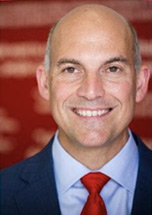
Steve Schrobilgen began his career in 1989 as an hourly cart attendant at a Sam's Club in Davenport, Iowa. Within four years, he was running a club of his own. Thirty-seven years later, after leading teams across Sam's Club, Walmart U.S., and Walmart Canada, he returned to Sam's Club as Executive Vice President and End-to-End Chief Operating Officer.
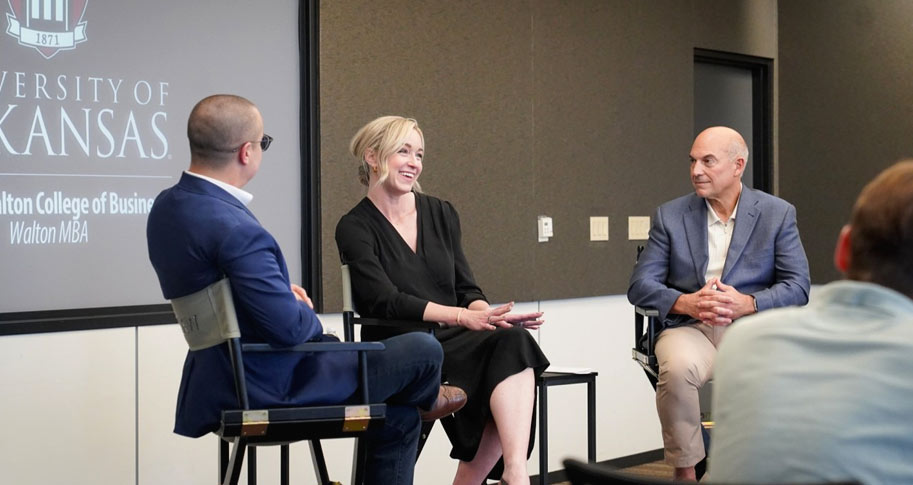
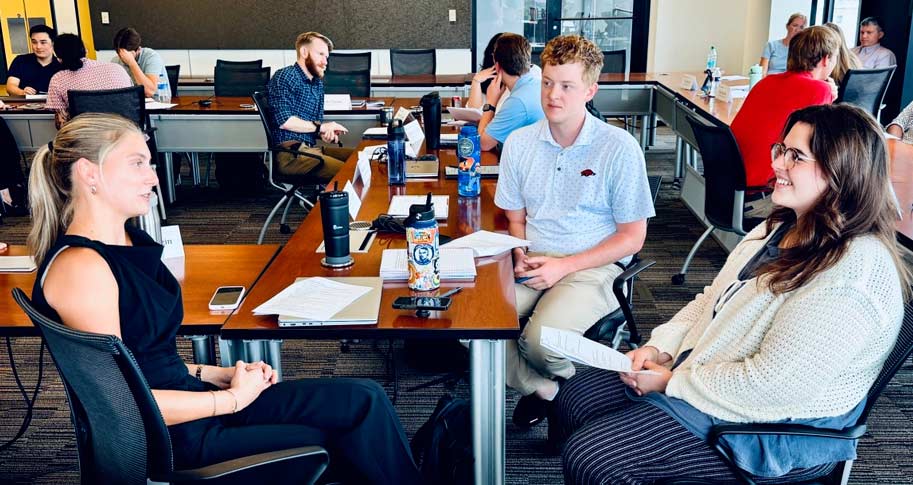
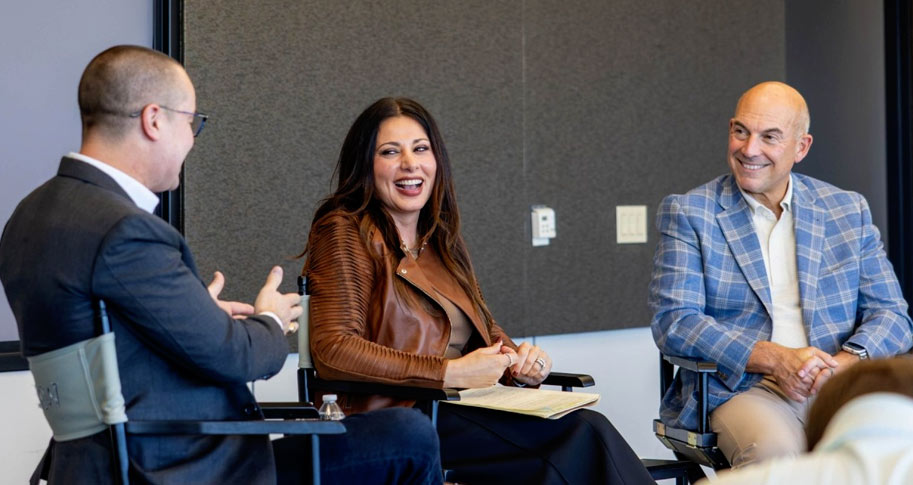
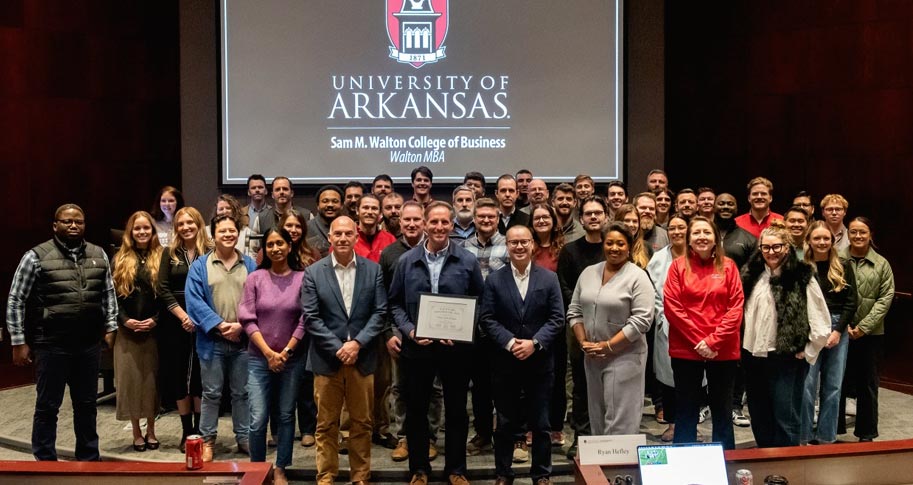
Steve joined the Executive MBA Leadership and Organizational Behavior class that Adam Stoverink, Ph.D., and I co-teach for our session on building high-performance teams and crisis and change leadership. Here are the lessons that stood out to me.
1. Bring the whole team with you through change
Steve has led organizations through significant change, and he has learned that growth rarely comes from simply adding people. More often, a team has to rethink how it is set up so the right people are in the right roles, with real ownership and the skills needed to succeed.
How that change happens matters as much as the change itself. He starts small, communicates at every step, and makes it clear that the goal is to win together, with everyone part of it. When you reshape a team, he said, you must keep the hearts and minds of your people at the forefront.
2. Earn trust in a new role by asking questions and achieving small wins early on
Adam asked what Steve focuses on in his first 90 days in a new role to build trust and set direction. His first step is getting to know each person, their pain points, and the dynamics of the group. In his first one-on-one with each person, he asks one question in particular: If you could wave a magic wand and change one thing that would make the business better today, what would it be?
That question opens the conversation, and the answers point him toward simple, early wins that help the team work more effectively. Those small wins matter because they build trust before any larger change is asked of anyone. He also spends time with associates on the front line on a regular cadence, asking what is and is not working, and when what he hears does not match the current strategy or direction, he course corrects quickly.
3. Hold a high bar on a foundation of trust
Psychological safety is a central topic in our course, and Adam raised a common misconception about it: that psychologically safe teams are simply teams that are nice to each other, and are therefore less willing to challenge one another. He asked Steve how he keeps standards high while making sure people feel safe telling him something is not working.
Steve said the two depend on each other. A phrase that is often said at Walmart and Sam's Club is that innovation happens at the speed of trust. People need to feel comfortable coming to their leader with a problem. Accountability, in his view, means having an honest conversation about the issue, following up, and solving it together. The right people on a team hear that conversation for what it is: a sign that their leader expects a great deal from them and will work alongside them to get there.
He added that teams spread across locations or functions can easily slip into an us-versus-them mindset, and that leaders have to be intentional about keeping every group connected to the larger organization.
4. In a crisis, hold the plan loosely and the people closely
I asked Steve about resilience, drawing on the four resources Adam and Bradley Kirkman describe in their book Unbreakable: Building & Leading Resilient Teams: team confidence, clear roadmaps for who does what, the capacity to improvise, and psychological safety.
His answer came from his experience during Hurricane Katrina, when Steve was one of the leaders asked to travel to the Gulf Coast with a team to help. On the way down, they planned who would do what and what to expect. Very little of it held upon arrival, and the plan changed every day for weeks. Planning is important, he said, but a team's ability to adapt is what carries it through.
Adam followed up by asking how leading through COVID-19, a much longer crisis with no clear end in sight, was different. Steve credited the leader he reported to at the time with setting the tone by checking on each of them personally before talking about the business. Because Steve was cared for that way, he cared for his teams the same way, and the practice cascaded through the organization. When someone had a need, he leaned toward overreacting to get them what they needed, and he made a point of being present.
5. Focus on winning the next play
I mentioned that I had watched the Nick Saban documentary, Saban, as had Steve and many of our students, and asked Steve what separates teams that perform well from those that need to improve. He pointed to the shift that Saban made from focusing on the scoreboard to focusing on the next play. A single play lasts only a few seconds, and a team that concentrates on winning each of those moments gives itself the best chance at achieving the final result.
Steve sees the same principle at work in business. The outcomes leaders care about most are built from small, everyday actions done well. That is why he believes in recognizing progress along the way. Leaders who celebrate only the final result miss the chance to motivate their teams through the milestones that get them there.
Adam closed by asking Steve for one piece of advice for rising leaders. Steve said to stay curious and stay connected to the people who are doing the work and taking care of customers. For those hoping to move up, he encouraged them to be great in the job they have now, to raise their hands for opportunities outside their comfort zone, and to worry less about titles than about learning other parts of the business.
That advice runs through nearly everything he shared with our students. The question he asks in a new role, the trust that allows accountability to land, and the care he showed during a crisis all come from staying close to the people who do the work. Steve started building that habit pushing carts, and our students can start building it in whatever role they hold today.